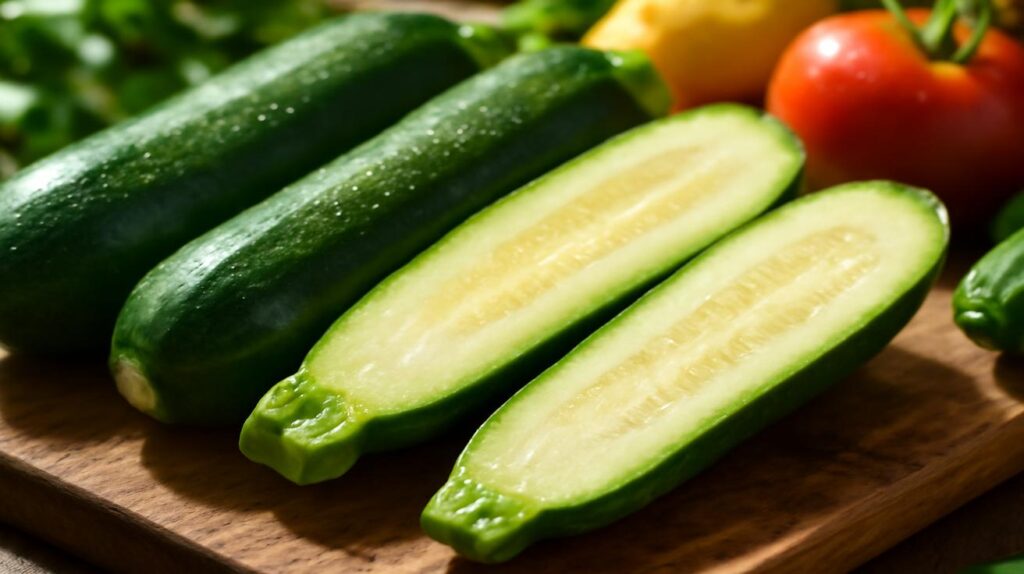
The first time you slice into a courgette still warm from the sun, it doesn’t feel like you’re preparing a vegetable. It feels more like you’re opening a promise. The skin gives with a faint squeak under the knife, releasing a green, almost melon-like scent. Seeds are arranged in soft constellations, pale and tender, as if the plant never expected its fruit to get this far. You toss the slices into a pan with a whisper of olive oil and garlic, and in minutes they turn silky, edges catching just enough color to suggest something quietly decadent. It’s gentle food, humble food—yet, as nutrition science keeps reminding us, courgettes (or zucchini, depending on where you call home) are carrying far more than their mild flavor lets on.
The quiet overachiever of the vegetable patch
If you’ve ever grown courgettes, you know the joke: plant two, feed the street. They’re prolific, generous, and almost disarmingly easy-going. Yet most of us still treat them as a side note—something to bulk out a stir-fry or vanish into a pasta sauce. But under that unassuming green (or yellow) skin lies a surprisingly powerful collection of nutrients that support your body in ways you might not notice day to day, but would dearly miss if they were gone.
Let’s start with the basics. Courgettes are mostly water—over 90 percent—and that’s not a flaw. It’s an advantage. In a world where many of us walk around slightly dehydrated without realizing it, foods that naturally help top up fluid levels are quiet allies. Take a forkful of lightly steamed courgette and you’re not just eating; you’re drinking, too, in the nicest possible way. That high water content means courgettes are very low in calories, but they don’t feel like “diet food.” They bring bulk, texture, and a soothing softness to a plate.
Beneath that water, there’s a low-key nutrient party going on: vitamin C, vitamin B6, folate, potassium, and a supporting cast of antioxidants like lutein and zeaxanthin. They’re not screaming in neon colors the way beets and berries do, but they’re there, tucked in the gentle green flesh. Think of courgettes as the friend who doesn’t speak loudly but always shows up when you need them—the kind of friend your body could use more of.
Supporting digestion, softly and steadily
Take a moment to remember the last truly comfortable day your digestive system had. No bloat, no heaviness, just a quiet competence. Courgettes are very good at encouraging more of those days.
They offer a blend of soluble and insoluble fiber, though not in the dramatic amounts of bran or beans. It’s a softer touch. Insoluble fiber acts like a broom for the intestines, speeding things along, helping to prevent constipation and that sluggish, post-meal fog. Soluble fiber, meanwhile, behaves more like a sponge—absorbing water, forming a gentle gel that slows digestion just enough to keep you fuller for longer and help steady the rise of blood sugar after a meal.
But it’s not just the mechanics of fiber that matter. Courgettes come with a quiet compatibility: they’re easy to digest for most people, including those whose stomachs protest at the sight of more aggressive fiber sources. For people easing into a higher-fiber way of eating, or those recovering from illness, courgettes can be a gentle training ground for the gut. Lightly steamed, simmered in broth, or cooked into a velvety soup, they become almost comforting—food for when you want kindness on a spoon.
Heart health hiding in plain sight
Picture a late-summer dinner: grilled courgette ribbons, a scatter of herbs, a little lemon, maybe some toasted seeds on top. It’s fresh, it’s light—and it’s quietly doing your heart a favor.
Courgettes are naturally low in saturated fat and sodium, two things that can be unhelpful in excess when it comes to heart health. Instead, they bring potassium to the table, and that’s where the story gets interesting. Potassium is like a counterweight to sodium in your body. It helps your blood vessels relax and supports a healthy blood pressure. In a world of processed foods, where sodium often sneaks in through the back door, foods rich in potassium provide a much-needed balance.
The fiber in courgettes also pulls its weight here. Soluble fiber can help reduce levels of LDL (“bad”) cholesterol by binding to some of it in the digestive tract and escorting it politely out of the body. The result, over time and in the context of a varied diet, can be a subtle nudge toward healthier cholesterol numbers.
Then there are the antioxidants. Courgettes contain carotenoids like lutein and zeaxanthin, as well as small amounts of beta-carotene in the skin. While they’re best known for eye health, these compounds also help reduce oxidative stress throughout the body. Think of oxidative stress as a slow, invisible rusting process in your cells, especially within the blood vessels. Antioxidants help scrub some of that away, easing the load on your cardiovascular system. It’s not magic. It’s quiet maintenance, bite by bite.
Blood sugar balance without the drama
In kitchens where courgettes are regular guests, you’ll often find them substituting for higher-carb ingredients: spiraled into ribbons instead of pasta, layered into lasagna in place of sheets, or baked into breads to add moisture without a sugar rush. This isn’t just a trend. There’s some solid physiology behind it.
Courgettes are naturally low in carbohydrates and have a low glycemic load, which means they don’t cause big spikes in blood sugar when eaten. For people living with insulin resistance or type 2 diabetes, replacing some refined starches with courgettes can be a gentle way to help keep blood sugar steadier, without resorting to extreme measures or joyless meals.
The fiber content also plays a role in this slow-and-steady effect. Digestion takes just a little longer, glucose seeps into the bloodstream in a more controlled way, and your pancreas doesn’t have to slam the insulin alarm quite so hard. It’s not about never eating pasta again. It’s about learning to let a portion of it share the plate with something kinder, greener, and easier on your metabolism.
Eyes, skin, and the quiet glow of nourishment
We often chase “glow” in jars and bottles—creams, serums, masks that promise radiance. But some of that glow starts far earlier, in the small daily decisions we make about what to put on our plates. Courgettes might not look like beauty food in the way a bowl of jewel-toned berries does, but they bring their own quiet offerings to your skin and eyes.
Those carotenoids—especially lutein and zeaxanthin—tend to accumulate in the retina, particularly in the macula, the part of your eye responsible for detailed central vision. Over time, diets rich in these compounds have been associated with a lower risk of age-related macular degeneration and cataracts. You may not notice today or tomorrow, but decades from now, your eyes will remember the small choices.
Vitamin C, also present in courgettes, supports collagen synthesis—a key structural protein in your skin. Collagen is what keeps skin resilient, plump, and less prone to wrinkle early. While no single food can erase time, a steady supply of vitamin C-rich plants can help your body maintain the structures that keep skin supple.
And then there’s hydration again. Foods with high water content, paired with a reasonable overall fluid intake, support skin from the inside—helping it look less dull, less tight, more like something that’s still in meaningful conversation with the world around it. When you bite into a courgette slice and feel that juicy tenderness, you’re feeling some of the same moisture your cells will later appreciate.
Weight, satiety, and the art of feeling satisfied
There’s something deeply human about wanting to feel full—not stuffed, not guilty, but comfortably satisfied. Many restrictive approaches to eating forget this basic need. Courgettes, in their quietly generous way, remember.
Because they are low in calories yet high in volume and water, courgettes let you eat a visually and physically generous portion without overloading on energy. When you bulk out a pasta dish with roasted courgette coins, or stir ribbons of it into an omelet, your plate looks abundant. Your stomach receives the stretch signals that tell the brain, “We’re okay here. We have enough.” But the calorie tally remains gentle.
Fiber joins the conversation again, slowing gastric emptying so that you stay full for longer. That feeling of satiety can make it easier to step away from constant snacking or that late-night foraging in the cupboards. Instead of white-knuckling willpower, you’re working with your biology. Your meals become less about restriction and more about composition: how can you bring in more of these light, nutrient-dense plants that leave you content instead of craving?
For people learning to rebuild their relationship with food—shifting from punishment to partnership—courgettes can be almost therapeutic. They’re not a “superfood” in the flashy sense; they’re a supportive one, nudging you toward a pattern of eating that feels both kind and sustainable.
How courgettes stack up: a quick nutritional snapshot
It can be helpful, sometimes, to step out of the poetry of the garden and look at the numbers. Here’s how 100 grams of raw courgette (about a small one) roughly compares in key health-related nutrients:
| Nutrient | Approx. Amount per 100 g | Why It Matters |
|---|---|---|
| Calories | ~17 kcal | Very low energy density; helpful for weight management. |
| Water | ~94 g | Supports hydration and digestive comfort. |
| Fiber | ~1–1.5 g | Aids digestion and helps steady blood sugar and cholesterol. |
| Vitamin C | ~17–20 mg | Antioxidant; supports immunity and collagen for skin and tissues. |
| Potassium | ~260–280 mg | Helps maintain healthy blood pressure and fluid balance. |
| Vitamin B6 & Folate | Small but useful amounts | Support energy metabolism and nervous system health. |
| Carotenoids (lutein, zeaxanthin) | Present, especially in skin | Support eye health and help reduce oxidative stress. |
The numbers confirm what the senses suggest: this is a vegetable built for everyday use—light, hydrating, and nutritionally generous for its size.
From pan to plate: making the most of courgettes
Nutritional potential is one thing; what you actually cook is another. Luckily, courgettes are accommodating. They slip comfortably into many cuisines and cooking styles, taking on flavors like a polite guest who’s happy to join whichever conversation is happening.
If you sauté thin slices quickly over high heat with garlic and a handful of fresh herbs, you get something bright and almost sweet, a side dish that loves to sit next to grilled fish or a poached egg. Roast chunkier pieces with olive oil, pepper, and perhaps some cherry tomatoes, and the edges caramelize, deepening the flavor and concentrating some of the natural sugars. You still keep most of the nutrients, especially if you eat the skin, where many of the carotenoids are concentrated.
Steaming or gently simmering courgettes in soups is kindest to their vitamin C content, which can be sensitive to long, high-heat cooking. Blended into a silky green soup with peas and a swirl of yogurt, they bring volume without heaviness, a kind of edible exhale at the end of a crowded day.
And then there’s raw courgette—thinly shaved into ribbons, tossed with lemon juice, olive oil, salt, and a crack of black pepper. Left to marinate for ten minutes, it softens just enough, becoming a salad that almost feels like pasta. Here, you keep all the water-soluble vitamins intact, making the most of what the plant has to offer. It’s crisp, cool, and particularly welcome on hot days when the stove feels like an adversary.
Courgettes and the rhythm of the seasons
There’s something grounding about aligning your plate with what’s happening outside your window. Courgettes belong to that short but sweet stretch of the year when gardens overflow and markets glow with greens and golds. Eating them in season doesn’t just taste better; it often means better nutrient density and fresher textures.
In summer, courgettes feel perfectly in tune with what your body craves. Light dishes, more water, less heaviness. Their hydrating nature, their gentleness on the stomach, and their versatility make them ideal companions for days when heat presses against the windows and appetites turn fickle. A bowl of chilled courgette soup, a platter of grilled halves with charred stripes like sun-ink, or a quick stir-fry with mint and chili—these become more than meals. They’re a way of syncing your own internal rhythms with those of the earth.
But courgettes don’t have to vanish when summer does. Stored carefully or bought from growers who extend the season, they can carry a whisper of warmth long into autumn. Folded into stews, baked into savory loaves, or layered into casseroles, they transform from cooling companion to comforting presence.
In the slow arc of the year, courgettes embody a kind of culinary generosity. Abundant when the sun is high, adaptable when it dips, they encourage us to eat in a way that’s not just healthful, but also deeply rooted in place and time.
Listening to your body (and a few cautions)
No food, however gentle, is perfect for everyone. While courgettes are generally well tolerated, a few notes of caution are worth mentioning. Very rarely, homegrown or wild courgettes can contain high levels of natural compounds called cucurbitacins, which make them taste extremely bitter and can cause stomach upset. If a courgette tastes sharply, unpleasantly bitter, it’s best not to eat it.
For people with certain kidney conditions, potassium intake may need to be monitored. Though courgettes don’t contain extreme levels, they do contribute to the total. If you’ve been advised to limit potassium, it’s worth discussing portion sizes with a healthcare professional.
There’s also the quiet act of personal listening. Maybe your digestion prefers courgettes cooked rather than raw. Maybe you notice that a large, late-night portion feels a bit too filling. The health benefits of any food are always in relationship with your unique body. Courgettes offer a lot, but the final decision about how they fit into your life belongs to you, informed by the way you feel as much as by any nutritional label.
In the end, a philosophy on a plate
When you stand at the stove, turning slices of courgette in a pan, you’re part of a small, everyday ritual that reaches far beyond the kitchen. You’re tending to your future eyes, your present heart, your long-term digestion. You’re honoring the simple fact that health is rarely built in grand gestures, but in repeated, ordinary choices that slowly shape the story your body tells.
Courgettes won’t headline miracle-diet documentaries or fuel dramatic before-and-after photographs. They don’t need to. Their real power lies in their constancy and ease—the way they make it simpler to eat more plants, to feel full without feeling weighed down, to bring color and freshness to a plate without demanding special techniques or elaborate recipes.
Slice one open, listen for that soft squeak of the knife against skin, and you’ll find it’s more than just a vegetable. It’s a quiet invitation: to eat with the seasons, to care for your body steadily rather than frantically, and to discover that some of the most profound health benefits arrive not with fireworks, but with a tender, green whisper.
Frequently Asked Questions About Courgettes and Health
Are courgettes better for you cooked or raw?
Both have benefits. Raw courgettes preserve all their vitamin C and are especially hydrating. Lightly cooking them—steaming, sautéing, or grilling—can make some antioxidants more available and may be easier on digestion for some people. A mix of raw and cooked across the week is a good approach.
Can courgettes help with weight loss?
They can support weight management because they’re low in calories, high in water, and offer some fiber. They add volume and satisfaction to meals without a big calorie load, which can make it easier to feel full on fewer calories, especially when combined with protein and healthy fats.
Are courgettes good for people with diabetes?
Courgettes are generally a smart choice for people with diabetes. They’re low in carbohydrates and have a low glycemic load, which means they don’t cause large blood sugar spikes. Using them to replace some higher-carb foods like pasta or refined grains can support steadier blood sugar levels.
Do you need to peel courgettes?
No. The peel is tender and edible, and it contains many of the carotenoids and fiber. Simply wash them well and trim the ends. Peeling is usually only needed if the skin is very tough or if a recipe specifically calls for it.
Can courgettes cause any allergies or reactions?
Allergies to courgettes are rare but possible, especially in people sensitive to related plants like pumpkin or cucumber. Symptoms could include itching, swelling in the mouth, or digestive discomfort. If you suspect a reaction, it’s wise to stop eating them and seek medical advice.
How often should I eat courgettes to get health benefits?
There’s no fixed rule, but including courgettes a few times a week as part of a varied diet rich in different vegetables can contribute meaningfully to hydration, fiber intake, and overall nutrient diversity.
Are yellow courgettes (yellow zucchini) as healthy as green ones?
Yes. Yellow courgettes have a very similar nutrient profile to green ones. They may differ slightly in specific antioxidant content, but both are low in calories, hydrating, and rich in helpful vitamins, minerals, and plant compounds. Using both simply adds more color—and pleasure—to your plate.