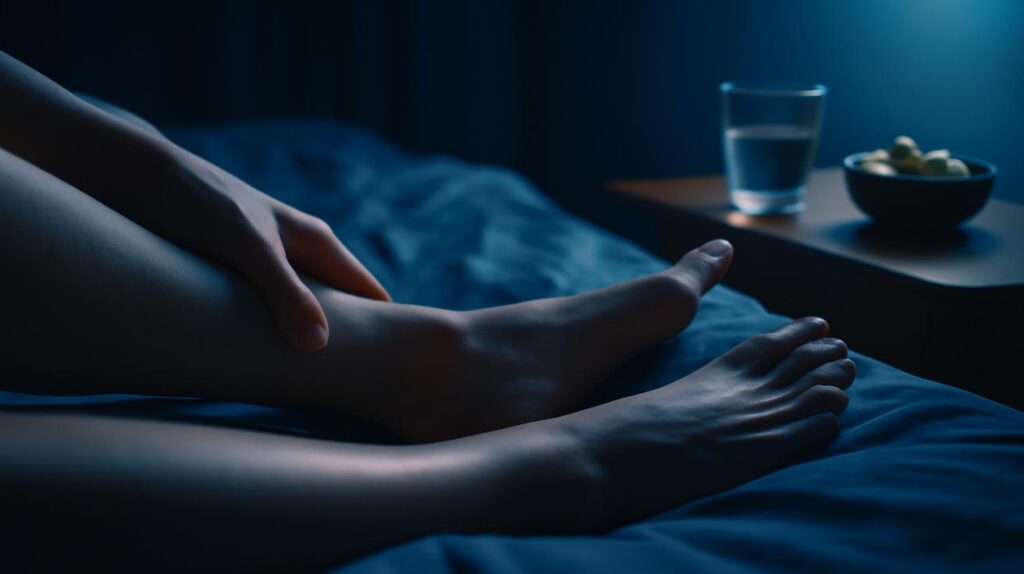
The first cramp always seems to arrive in the dark, as if the night itself has hands that twist. One moment you’re drifting in that syrupy, heavy sleep, the next your calf seizes like a clenched fist, hard as stone, refusing to let go. The room is quiet, the world is resting, and there you are, half‑awake, breath sharp, fingers digging into a rigid muscle that feels like it belongs to someone else. You wait for the pain to crest and break. You stretch, you flex, you curse under your breath. Morning will come eventually, but for now it’s just you, your cramped leg, and the slow ticking of the clock.
When the Night Turns Against Your Muscles
Nocturnal leg cramps have a way of making the night feel longer than it really is. They arrive without warning and leave you exhausted, chasing sleep that no longer wants to be found. Some people get them in their feet, toes curling in directions they were never meant to go. Others feel the ambush in their calves, thighs, or even the arch of the foot. The pain is sharp, sudden, and oddly intimate, as if your own body has turned against you in secret.
In the quiet dark, it’s easy to wonder: why now? Why at night, when you’re doing nothing more demanding than resting? There isn’t always a neat answer. Sometimes it’s dehydration. Sometimes it’s overused muscles from that walk you thought was “no big deal.” Sometimes it’s a side effect of medications, or a slow decline in minerals like magnesium and potassium. For many people, especially as they age, nocturnal cramps just become a rare but unwelcome house guest, showing up with no invitation and no clear reason.
What is clear, though, is how disruptive they are. The next day, your leg can feel bruised and tender, as if you’d sprinted for a bus that never came. Sleep, once broken by pain, never quite tastes the same. So the question starts to take root: what can you do—gently, naturally, consistently—to ease these nighttime jolts?
The Body’s Nighttime Language
Think of cramps as your muscles trying to speak a language you haven’t fully learned yet. A cramp is a sudden, involuntary contraction—a muscle that tightens but forgets how to release. Usually, the body is beautifully coordinated. Nerves, electrolytes, circulation, and muscles dance together in an invisible rhythm. But when that rhythm stumbles, a cramp can appear.
Sometimes the message is simple: I’m tired. Muscles fatigued from long hours standing, walking, or even sitting in one rigid position can rebel once you lie down. Other times the message is: I’m thirsty. Fluid and electrolytes—sodium, potassium, magnesium, calcium—help your nerves and muscles fire in a balanced way. When that balance is off, signals can misfire, like static on a radio line. Circulation also plays a starring role. Blood delivers oxygen and carries away metabolic byproducts; if that flow is sluggish, a muscle might choose the worst possible time to complain.
While the exact science is still evolving, many people find that small natural habits—stretches, hydration, warmth, attention to posture and daily movement—shift the conversation. The body’s nighttime language starts sounding less like an alarm and more like a quiet whisper of needs being met.
The Gentle Evening Ritual of Stretching
One of the simplest and most powerful allies against nocturnal cramps is a slow, mindful stretching ritual before bed. Not the rushed kind you cram in while scrolling your phone, but a few unhurried minutes devoted only to your muscles and breath.
Picture this: you dim the lights. The day starts to loosen its grip. You stand near your bed and place your hands on the wall or the edge of the mattress. One foot steps back, heel anchored to the floor, knee straight. You lean forward slowly and feel your calf lengthen—a surprisingly intense stretch rising along the back of your leg. You hold, breathe, and let your shoulders soften. Then you switch sides. These classic calf stretches can be a quiet pact with your body: I see you, I’ll make room for you.
Next, sit on the bed or a mat, legs extended in front of you. Keep your back gentle and long as you reach toward your toes, or as far as is comfortable. You don’t need to touch them; this isn’t a flexibility contest. It’s an invitation to the muscles in your calves, hamstrings, and the bottoms of your feet to lengthen and soften. A few ankle circles, slow and deliberate, can help coax blood into areas that might otherwise stiffen at night.
Think of these stretches as a nightly story your muscles learn by heart. The more often you tell it—five or ten minutes before bed—the more your body remembers how to release rather than clamp down in the middle of the night.
Hydration, Minerals, and the Quiet Work of Balance
There’s a particular dryness that hides in a busy day—the kind that doesn’t feel like thirst until your body has already noticed the deficit. Often we remember to drink water when we’re outside in heat or after a workout. But quiet dehydration—the kind that creeps through long afternoons at a desk, or evenings with salty snacks and a single glass of water—can sow the seeds for nighttime cramps.
Water alone is only half the story. Your muscles and nerves also thrive on minerals that help electrical signals travel cleanly: sodium, potassium, calcium, magnesium. When those minerals drift out of balance, cramps can become more likely. You don’t need elaborate concoctions; often, small, consistent choices can shift the terrain.
| Natural Focus Area | Simple Evening Ideas | How It Can Help |
|---|---|---|
| Hydration | A glass of water or herbal tea 1–2 hours before bed | Supports blood flow and reduces dehydration-related cramps |
| Magnesium-rich foods | Handful of nuts, seeds, or a small bowl of leafy greens with dinner | Magnesium helps muscles relax and nerves fire smoothly |
| Potassium & calcium | Banana, yogurt, or other whole foods in your daily meals | Support muscle contraction and release in balance |
| Gentle circulation | Short walk or light leg movements in the evening | Encourages blood flow to lower legs and feet |
Instead of chugging water right before bed and waking to a full bladder at 3 a.m., try spacing your fluids throughout the day and adding one calm glass in the evening. Notice the subtle shift: less dryness in your mouth, fewer heavy, throbbing legs when you finally stretch out under the covers.
If you suspect minerals are part of your story—maybe your diet is light on fruits, vegetables, nuts, or dairy—gentle adjustments can be more sustainable than dramatic changes. A banana in the afternoon. A sprinkle of pumpkin seeds on your salad. A few squares of dark chocolate. When it comes to cramps, these are not magic tricks, but they can be quiet reinforcements in your body’s nightly efforts.
And if you’re taking medications—especially diuretics, or anything affecting blood pressure or fluid balance—your doctor can help you understand whether they might be nudging those mineral scales. Natural strategies work best when they’re woven into a full picture of your health, not standing alone in the dark.
Heat, Cold, and the Comfort of Touch
When a cramp strikes in the middle of the night, your world narrows to one mission: find relief. Natural tools like warmth, cold, and gentle massage can offer surprisingly swift comfort, especially if you’ve prepared a bit in advance.
Some people find that heat is their ally. A warm compress or hot water bottle kept near the bed can become a small ritual of self-rescue. Pressed against a stubborn calf, the warmth seeps into tight muscle fibers, inviting them to soften. The sensation is not just physical—it carries a kind of emotional reassurance, too. Muscles that cling to tension often respond to this slow melting.
Others swear by cold: a soft ice pack or a bag of frozen peas wrapped in a thin cloth. The cool shock can interrupt the pain signals, reducing the intensity of the cramp and the soreness that follows. Heat or cold can both work; it’s less about the rule and more about your own nervous system’s preferences. Over a few episodes, you’ll start to learn what your particular body leans toward.
Then there is the simple power of your own hands. When a muscle knots, place your fingers along the rigid band and apply slow, steady pressure—never so hard that you cause sharp pain, but firm enough to feel the tissue beneath begin to yield. Small circular motions, or a gradual sweep from ankle upward, can coax blood back into the cramped area. You might breathe with the movement: in as the fingers glide, out as they press and release. This is your body meeting itself with care instead of frustration.
The Daytime Choices That Shape the Night
Nocturnal cramps may strike in darkness, but they’re often shaped by the way you inhabit your body during the day. Picture your calves and feet like subtle storytellers, logging every hour you spend standing on hard floors, every long drive or desk session, every shoe that squeezes your toes into tight formation.
If you stand a lot for work, your muscles may be constantly engaged, building a quiet backlog of fatigue. If you sit long stretches with your knees bent, circulation to your lower legs can slow. Over time, that combination—tired muscles, sluggish blood flow—makes the nighttime ambush more likely.
Small, natural interruptions to this pattern can help more than they seem. A few ideas curl naturally into the rhythm of an ordinary day:
- Take short “leg breaks” every hour—stand if you sit, walk if you stand.
- Roll your ankles, wiggle your toes, or rise up onto your tiptoes and slowly lower down.
- When possible, avoid shoes that pinch the front of your foot or force your weight in one direction.
- At home, elevate your feet for a few minutes on a pillow or low ottoman to support blood return.
Even the way you lie in bed can make a difference. Sleeping on your stomach with your feet hanging off the mattress can keep your calves shortened, almost inviting them to cramp. Many people find that lying on their back with a small pillow under the knees, or on their side with a pillow between the legs, allows leg muscles to rest in a more neutral, relaxed length.
Imagine designing your day and night as a continuous loop of kindness to your muscles rather than a fragmented patchwork. The more you weave gentle movement, varied positions, and thoughtful rest into your hours, the less your body needs to shout at midnight.
When to Listen Deeper: Cramps as a Signal
Most nocturnal cramps are not dangerous—they are more nuisance than emergency. Still, they can sometimes be a whisper of something more that deserves listening. If your cramps are frequent, severe, or spreading to new areas; if they come with swelling, weakness, or changes in skin color or temperature; if pain lingers long into the day—it’s time to widen the lens.
Certain conditions—nerve issues, circulation problems, hormonal shifts, metabolic and kidney concerns—can all feature cramps as one piece of a larger story. So can pregnancy, especially in the later months, when fluid balance and circulation change dramatically. Natural tools are wonderful allies, but they work best alongside clear medical understanding.
Talk with a healthcare professional if your cramps:
- Occur almost every night or are worsening over time
- Wake you from sleep repeatedly and leave your leg tender for days
- Are accompanied by numbness, tingling, or muscle weakness
- Start soon after a new medication or major health change
This isn’t about fear; it’s about respect—for your body, your sleep, and the quiet messages that sometimes arrive disguised as pain. Often, a conversation and a few simple tests can rule out serious issues and give you more confidence as you work with natural approaches.
Making Peace with the Night
There’s a small victory in waking up after a full night’s rest, realizing you didn’t bolt upright with a clenched calf or rigid foot. It might not feel dramatic, but for someone who knows the jolt of a nocturnal cramp, it is its own kind of celebration—a quiet, personal success that lives between you and your body.
Natural approaches to easing nocturnal cramps rarely hinge on a single magic fix. They are more like a constellation of small, repeatable choices: a glass of water earlier in the evening, a ten-minute stretch, a few thoughtful food changes, a warm compress at the ready, a commitment to move a little more during the day. No one habit carries the entire weight; together, they create a softer landing for your muscles when night comes.
And that night can be different. Instead of bracing for the next cramp, you might find yourself listening to the slow rhythm of your own breathing, feeling your legs rest heavier against the mattress, no longer braced for an ambush. The dark becomes less of a threat and more of a refuge again.
In that quiet, the body is not plotting against you. It is always, in its own imperfect way, asking for balance. And with curiosity, patience, and a handful of gentle tools within reach, you can begin to answer.
Frequently Asked Questions
Are nocturnal leg cramps the same as restless legs syndrome?
No. Nocturnal leg cramps are sudden, painful muscle contractions, often in the calf or foot, that cause the muscle to tighten and harden. Restless legs syndrome feels more like an urge to move, crawling or tingling sensations, and discomfort that eases with movement but usually does not involve sharp, clenching pain or a hard knot in the muscle.
Can I prevent nocturnal cramps completely with natural methods?
Some people do experience complete relief with natural strategies; others notice fewer and less intense episodes. Hydration, stretching, mineral-rich foods, and better daytime movement patterns can all reduce the likelihood and severity of cramps, but they may not eliminate them for everyone—especially if medical conditions or medications are involved.
Is magnesium really helpful for nighttime cramps?
Magnesium plays a key role in muscle relaxation and nerve function. Many people report fewer cramps when they eat more magnesium-rich foods or, under medical guidance, take a supplement. However, responses vary, and too much magnesium can cause digestive upset or interact with certain medications, so professional advice is important before supplementing.
What should I do in the exact moment a cramp hits?
Gently but firmly stretch the cramped muscle—if your calf cramps, flex your foot upward toward your knee. Stand and press the heel into the floor if you can. Massage the tight area with slow, steady pressure, and if available, apply warmth or cold, depending on which feels better to you. Breathe slowly to help your body shift from panic to release.
When is it important to see a doctor about night cramps?
Seek medical advice if your cramps are frequent or worsening, if they affect many muscle groups, if you notice weakness, numbness, or swelling, or if they begin after a new medication or health diagnosis. Also see a professional if natural measures do not improve your symptoms over time. It’s important to rule out circulation, nerve, or metabolic issues while you continue gentle, natural care.