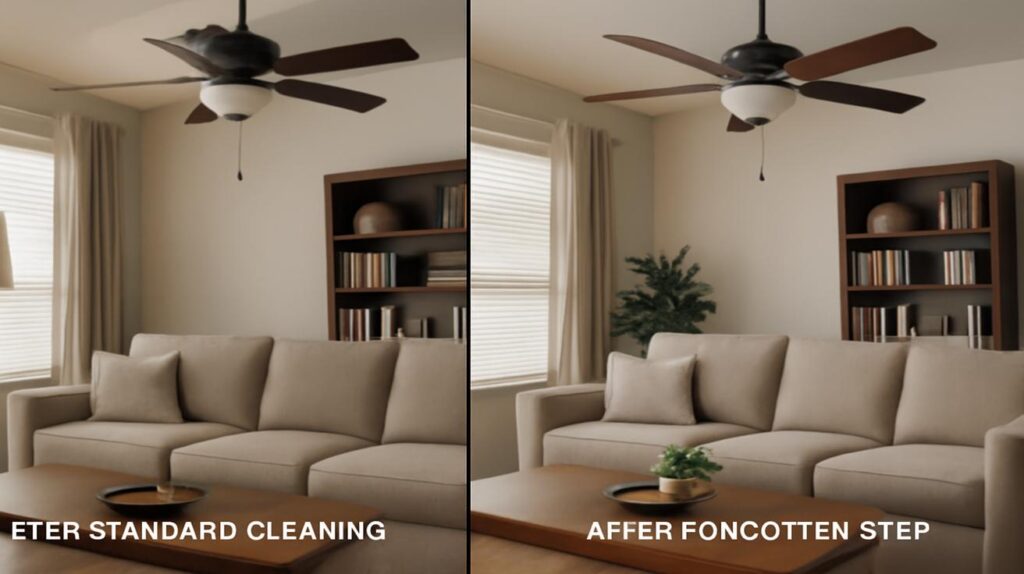
The dust came back on a Wednesday.
It always seemed to choose Wednesdays in this living room—right when the week sagged a little, when the sunlight angled in just so through the windows and turned ordinary air into a slow blizzard of tiny, drifting flakes. You’d wiped the coffee table on Sunday. Ran the vacuum in deliberate, perfect lines on the rug. Fluffed the cushions, shook out the throw blanket. And still—by midweek—there it was again: a faint gray bloom along the TV stand, a soft powder reappearing on the speaker grills, a shimmer of dullness on the bookshelf.
Maybe you’ve felt that tiny sting of defeat too, standing in your living room with a microfiber cloth in hand, wondering if dust has some secret tunnel back into the room the second you turn your back. You open the windows for “fresh” air; you put your faith in air purifiers, lint rollers, and vacuum filters. Yet somehow, a few days later, it looks like you never bothered at all.
The reason often isn’t what you’re not doing, but what you’re skipping. There’s a quiet step, almost invisible, that makes the difference between a living room that stays clear and one that seems to invite dust back twice as fast.
The Step Everyone Skips (But Your Dust Never Forgets)
Think about how you usually clean your living room. Most people move in the same ritual order, whether they realize it or not. Surfaces first: coffee table, TV stand, side tables. Maybe the lamp bases. Then you vacuum the floor. Maybe mop if there’s hard flooring beneath the rug. You might even wash the curtains once in a while, on a heroic weekend.
We’re taught to think of cleaning as a horizontal task—clearing things at our own eye level and below: tables, shelves, floors. But dust doesn’t respect horizontal logic. It moves like weather. It rides heat, air currents, and our footsteps. And far more of it lives above you than you probably realize.
The forgotten step? Cleaning the vertical and overhead surfaces before you touch anything else: the walls, ceiling edges, light fixtures, fan blades, vents, the tops of door frames, the backs of the TV, and those sneaky spaces along the upper edge of bookshelves and picture frames.
Skip this, and the moment your heat or AC kicks back on, you’ve basically sent a fresh storm of dust drifting down onto all the places you just wiped. It doesn’t look dramatic while it’s happening—just a slow, invisible snowfall that takes a day or two to show itself. By midweek, your carefully cleaned surfaces are wearing a new coat of debris that was dislodged days earlier from above.
In other words: if you don’t dust high first, you’re cleaning into the wind.
The Silent Gravity of Dust
Dust has a story. It’s not just dirt—it’s a blend of skin cells, fabric fibers, tiny bits of soil, pollen, cooking residue, pet dander, hair, soot from candles, and microscopic traces of the outdoors hitchhiking in on your shoes and clothes. It settles where the air slows down. And in most living rooms, the most ignored places are the ones with the slowest air.
Run your fingertip along the very top edge of your highest bookshelf—or the ridge of molding above the door frame. There’s a good chance you’ll come away with a soft gray stripe that’s thicker than what you see on your coffee table. That’s where the quiet accumulation lives, forming layers like sediment in a riverbed. No one touches it. No one wipes there “just because.”
Yet every time someone walks through the room, slams a door, or cranks the ceiling fan, that sediment doesn’t stay put. Vibrations shake it loose. Air currents nudge it into motion. Warm air from lamps and electronics rises and spins it out like a slow, invisible spiral. A light brush against the wall or the cable behind the TV can be enough to send a brief puff drifting down.
What you see later as “new dust” on your side table is often just old dust falling from above—stuff that’s been sitting on the fan blades, wall corners, or behind the TV for weeks or months. You’re not losing the battle to the outside world so much as to your own ceiling line.
The Living Room, Seen from the Ceiling Down
Picture your living room from the ceiling’s point of view for a moment. Up here, the air feels different. Warmer, slightly stiller. Light pools differently. The tops of frames, lamps, and vent covers lie in a little private world of their own, half-lit, half-forgotten.
On the blades of the ceiling fan, dust gathers in soft crescents, like ghostly fingernails. It’s denser near the edges, where the blades slice through the air. Every time the fan runs, a little of that crescent loosens. Not in a dramatic burst—just in the occasional barely visible flicker, drifting down like microscopic feathers.
The light fixtures hold their own quiet cache. Fabric lamp shades drink in dust like they’re made for it, especially around their upper rims and inner lining. Recessed lights in the ceiling form circular shelves where dust can squat undisturbed for months. The vent grilles along the wall or under the window harbor fuzzy ridges of lint, waiting to be stirred every time the HVAC system clicks on.
Even the walls themselves aren’t innocent. In certain light, you can see a faint film clinging to the paint, especially along corners, above baseboards, or behind furniture. Textured walls catch dust like tiny nets. Smooth walls collect it more evenly—but it’s still there, subtly dulling the color you remember loving when the room was new.
All of this becomes a kind of dust reservoir. You wipe the coffee table and think the story starts there. But the story started much higher up, days or weeks before, and the ending hasn’t caught up to you yet.
High-to-Low: The Cleaning Order That Changes Everything
The most powerful change you can make to keep dust from returning so quickly has nothing to do with buying new products. It’s about reversing your cleaning order and honoring gravity.
Think of it as cleaning in the direction dust naturally travels: from sky to ground.
Step 1: Stir the Quiet Places—Gently
Start with the highest spots: ceiling fan, light fixtures, top shelves, vents, crown molding, door and window frames. Use a long-handled duster or a clean, slightly damp microfiber cloth wrapped securely around the end of a broom handle or extension pole. The goal isn’t to send visible clouds into the air; it’s to coax the dust loose and let it settle downward in a controlled way.
Move slowly. Fast sweeping gestures actually fling dust sideways; slow passes encourage it to follow gravity. If the fan blades are especially thick with buildup, press the cloth around each blade and pull gently, trapping as much as you can instead of flicking it out into the room.
Step 2: Walls, Artwork, and Hidden Edges
Now move to the verticals. Lightly drag a dry microfiber pad or duster down your walls, especially the areas near vents, baseboards, and behind furniture. Wipe the tops and frames of artwork and mirrors. Glide over the front and sides of the TV, around cables, and behind electronics if you can safely reach them.
Again, you’re working high to low. As you go, more dust will fall to the middle and lower regions of the room—the very places you’ll clean next.
Step 3: Surfaces and Soft Things
Now it’s time for the parts you usually start with: tables, shelves, the TV stand, and decor. At this point, much of the dust they would have “re-collected” in a day or two has already fallen and is waiting to be captured.
Use a damp (not wet) microfiber cloth and rinse it regularly as it darkens. For books and small objects, pick them up, briefly wipe them, and give the spot beneath them a pass too. If you have throw pillows and blankets, take them outside if possible and gently shake them, or run them through a quick dryer cycle on air-only with a clean lint filter.
Step 4: Floors Last, Always
By now, the floor has become the final landing strip—the last stop for everything that once clung stubbornly to the ceiling fan, the walls, the shelves. Vacuum or sweep slowly, especially along baseboards and under furniture. If you mop, do it after vacuuming, not instead of it. Wet mops just smear dust if it hasn’t been picked up first.
This single high-to-low pattern is what most people skip. They clean from the middle outward, then wonder why their work evaporates midweek. Follow gravity, and you’re not just cleaning—you’re interrupting the cycle.
What You Need (And Don’t Need) to Make It Work
One reassuring thing about this “forgotten step” is that it doesn’t require a cart full of specialty gadgets. You probably own most of what you need already—what matters is how and when you use it.
| Tool | How It Helps with the Forgotten Step |
|---|---|
| Long-handled duster or extension pole | Reaches ceiling fans, high shelves, vents, and corners so dust falls once—before you clean surfaces and floors. |
| Microfiber cloths | Trap dust instead of pushing it around, especially on walls, frames, electronics, and lamp shades. |
| Vacuum with brush attachment | Gently lifts dust from fabric, vents, and crevices once it’s worked its way downward. |
| Step stool (used safely) | Lets you control and trap dust on high surfaces instead of flicking it into the room from far below. |
| Air purifier (optional) | Helps capture the fine particles that go airborne after high-up dusting, especially if run during and after cleaning. |
You don’t need perfumed sprays or heavy polishes for this to work. In fact, many products that promise “shine” simply add residue that future dust can cling to more easily. A barely damp microfiber cloth and a calm, deliberate sequence do more for long-lasting clarity than any scented bottle.
How Often Do You Really Need to Do This?
Cleaning high-to-low doesn’t mean you have to turn every living-room touch-up into an epic session. Think of it in rhythms instead.
Once a week, or every other week if your home is on the calmer side, add a five-to-ten-minute “height check” before you dust surfaces:
- A quick pass across the ceiling fan blades.
- A sweep along the top edges of frames and tall shelves.
- A wipe along vent covers and the tops of door frames.
Once a month, move a little deeper:
- Lightly dust the walls, especially near corners and baseboards.
- Clean lamp shades and the backs of electronics.
- Vacuum under and behind furniture where you can reach safely.
Seasonally, when you feel that tug to “refresh” the room:
- Wash or vacuum curtains.
- Remove and rinse vent covers if your system allows it.
- Take rugs outside to shake or beat them, weather permitting.
By touching the highest dust collectors more often—even briefly—you’re shrinking that hidden reservoir above your head. There’s less waiting up there to resettle onto your clean coffee table the second you relax.
The Emotional Quiet of a Room That Stays Clean Longer
Something subtle happens when the dust slows down. It’s not just visual; it’s emotional. Walk into a living room that stays truly clear day after day, and you feel it before you see it. The air feels still but alive, more like a forest clearing than a sealed box.
Sunlight no longer reveals a storm of drifting particles with every shaft of light. The TV screen doesn’t grow that film that begs to be wiped every two days. The top of the bookshelf stops being a gray horizon line when you’re tall enough—or curious enough—to look. You may even notice your nose is less stuffy in the evenings, or that you’re not sneezing every time you sit on the couch after a weekend of “cleaning.”
This is the quiet payoff of that forgotten step: you’re not just managing appearances, you’re reducing the total amount of dust your living room contains. And each time you repeat the high-to-low cycle, you’re cutting off the dust story further upstream.
There’s a small pleasure, too, in finally seeing the parts of your room you usually ignore. The clean white arc of a fan blade, no longer wearing a gray collar. The crisp border between wall and ceiling, free of that faint, shadowy line of buildup. The narrow top of a picture frame that suddenly looks as deliberate and cared for as the image it holds.
It turns dusting from a chore you resent into a kind of quiet maintenance of your own atmosphere—an act of stewardship for the space you spend so much of your life in.
FAQs
Why does dust seem to come back so quickly even after a deep clean?
Much of what looks like “new” dust is actually old dust falling from higher or hidden surfaces—like ceiling fans, vents, walls, and high shelves—that weren’t cleaned first. When the air moves, that reservoir drifts down onto freshly cleaned surfaces.
Is dusting the ceiling fan really that important?
Yes. Ceiling fans are one of the biggest culprits in redistributing dust. When their blades are coated, they shed fine particles every time they spin, sending dust across the entire room, not just down.
How do I dust high areas without spreading dust everywhere?
Use a microfiber cloth or duster that traps dust, not a feather duster that just scatters it. Work slowly, keep movements gentle, and, if possible, slightly dampen the cloth so particles stick instead of going airborne.
Do I need special sprays or polishes to keep dust from coming back?
No. In many cases, polishes actually leave behind a residue that attracts more dust. A simple, slightly damp microfiber cloth is usually enough to pick up dust effectively without creating a sticky surface.
How often should I clean walls and high surfaces?
Light dusting of high and vertical surfaces every one to two weeks is often enough in most homes. More thorough attention—like walls, vents, and the backs of electronics—once a month or seasonally can significantly slow dust buildup.
Will an air purifier solve my dust problem?
An air purifier can help reduce fine airborne particles, especially when used during and after cleaning, but it can’t remove dust already clinging to surfaces. It works best as a support, not a substitute for high-to-low dusting.
What if I don’t have a long-handled duster?
You can improvise by securely wrapping a microfiber cloth around the end of a broom or mop handle with a rubber band. Use it to gently reach ceiling corners, fan blades, and the tops of tall furniture until you decide if a dedicated tool is worth it.